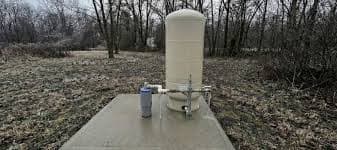
The 2021 Texas freeze taught Hill Country homeowners that 'it doesn't get cold here' is a myth. Burst pipes, frozen wells, dead furnaces, and cracked slabs cost the region billions. A November walk-through with this checklist is the cheapest insurance policy you'll buy this year.
Quick Answer: Winterizing a Texas Hill Country home means insulating exposed plumbing, sealing the building envelope, servicing the heating system, draining irrigation lines, and protecting wells and pumps before the first hard freeze. A pre-winter inspection identifies the failure points that will cost thousands if a 2021-style freeze hits unprepared.
Winterizing your Texas Hill Country home is no longer optional. The February 2021 freeze, the 2022 cold snap, and the 2023 holiday-week freeze all hit hard enough to burst pipes, knock out wells, and crack foundations across New Braunfels, San Antonio, and the broader Comal and Bexar County region. Hill Country homes were built for heat, not for cold, and that difference shows up the moment temperatures drop below 25 degrees.
True South Home Inspection (TREC #24687) performs winter readiness inspections across the Hill Country. Kevin Cearley is an InterNACHI Certified Professional Inspector with formal credentialing in HVAC, plumbing, attic and insulation, and moisture intrusion. The checklist below is the same one we walk on every cold-weather inspection.
Why Hill Country Homes Are Vulnerable to Hard Freezes
Texas building codes don't require the cold-climate detailing that's standard in northern states. That's normally fine. When the rare hard freeze hits, the gaps show up:
- Plumbing runs in unconditioned attics and exterior walls
- Pier-and-beam crawl spaces with minimal ventilation control
- Hose bibs without frost-free design
- Tankless water heaters mounted on exterior walls
- Pool equipment with no freeze protection
- Wells with above-grade piping
- HVAC heat pumps that can't handle sustained sub-freezing
A 24-hour freeze stresses these. A 72-hour freeze breaks them.
The Pre-Winter Inspection Checklist
We walk every Hill Country home through the same systematic checklist before the first freeze. You can do most of this yourself; we'll cover what to check and what to call us for.
Plumbing Protection
- Insulate exposed pipes in attic spaces, garage walls, and exterior wall cavities
- Wrap or cover all hose bibs with foam covers (or shut off and drain interior valves)
- Identify the home's main water shutoff and confirm it operates
- Drain irrigation systems through the manual drain valves or by blowing out the lines
- Insulate or wrap exterior tankless water heaters (mount in conditioned space when possible)
- Check pump rooms and pool equipment for freeze protection
- For homes on private wells, confirm well house insulation and heat tape are functional
HVAC and Heating
- Replace HVAC filters before peak heating use
- Test the heating system in October or November, not the first cold morning
- Have gas furnaces serviced, including heat exchanger inspection
- For heat pump systems, confirm the auxiliary or emergency heat strips engage
- Verify thermostat batteries and programming
- Check return air pathways and supply registers for blockages
Building Envelope
- Inspect attic insulation depth and check for gaps at top plates and chase walls
- Verify weather stripping at all exterior doors
- Caulk gaps where utilities enter the home (a major air leak point)
- Confirm garage doors seal at the bottom and sides
- Inspect window seals and storm or screen integrity
- Check fireplace dampers close fully when not in use
Foundation and Drainage
- Walk the foundation perimeter and clear debris from drainage paths
- Confirm gutters are clean and downspouts route water away
- Check for negative grade near the slab (water pooling here will freeze under the foundation)
- Insulate or cover any below-grade plumbing access points
- For pier-and-beam, confirm crawl space vents can be closed in cold weather
Wells, Septic, and Pool
- Insulate well house and verify heat lamps or heat tape
- Drain or run pool pumps continuously below freezing
- Wrap pool equipment plumbing
- Test septic alarm if you have an aerobic system
- Drain spray heads on aerobic systems
Safety and Communication
- Test smoke and carbon monoxide detectors (CO is a real winter risk if heat is improvised)
- Confirm a backup heat plan that doesn't involve open flame indoors
- Stock pipe insulation, drip-trays, and emergency shutoff tools
- Note your power utility's outage reporting numbers and water shutoff locations
What a Professional Pre-Winter Inspection Includes
A True South pre-winter inspection covers:
- HVAC operational test in heating mode
- Thermal imaging scan of attic insulation, exterior walls, and known weak points
- Plumbing route review (where accessible) and exposed-pipe documentation
- Hose bib, irrigation, and pool equipment evaluation
- Foundation perimeter and drainage walk
- Building envelope assessment with deficiency photos
- Written action list with priority recommendations
Reports are delivered digitally inside 24 hours.
Cost of a Pre-Winter Inspection
The cost of a pre-winter inspection depends on the home: its size, age, and any add-ons such as thermal imaging or HVAC service coordination. Contact True South Home Inspection for a quote on your home, or call 737-414-2364.
What to Do If a Freeze Is Forecast Inside 48 Hours
When the National Weather Service issues a hard freeze warning for the Hill Country, take these steps:
- Drip cold-water faucets at the farthest fixture from the meter
- Open cabinet doors under sinks on exterior walls
- Confirm main shutoff location and tool are ready
- Charge phones and plan for power loss (ERCOT load-shed risk)
- Park vehicles outside garages if you can keep garages closed
- Pre-fill bathtubs for non-potable water if power-loss is plausible
If pipes do freeze, never thaw with open flame. Use hair dryer, space heater (with clearance), or wrapped towels.
Service Area for Winter Inspections
We perform pre-winter inspections across:
- New Braunfels and Comal County
- San Antonio and Bexar County
- Canyon Lake and Spring Branch
- Boerne, Bulverde, Garden Ridge, and Fair Oaks Ranch
- Schertz, Selma, and Cibolo
- Seguin, San Marcos, Kyle, and Buda
- Wimberley and Fischer
Frequently Asked Questions
How much does a pre-winter home inspection cost in New Braunfels? It depends on the home's size, age, and add-ons such as thermal imaging. Contact True South for a quote on your home.
Will my pipes really freeze in Texas? Yes. Pipes in attics, garages, and exterior walls regularly freeze when sustained temperatures drop below 25 degrees. The 2021 freeze proved every home in the Hill Country is at risk.
Do I need to drip my faucets? Yes, during hard freeze events. A continuous slow drip on the faucet farthest from the meter keeps water moving through vulnerable pipe runs and significantly reduces freeze risk.
How often should I service my HVAC system? At minimum, twice a year (spring and fall). Heating systems should be serviced before the first freeze, not in the middle of one.
Are heat pumps reliable in a Hill Country winter? Modern heat pumps work well above 25 degrees. Below that, auxiliary heat strips engage and your power bill jumps. In sustained sub-freezing, expect heat output to lag.
What's the most common winter failure in Hill Country homes? Burst pipes from inadequate attic insulation around pipe runs. Second is hose bibs that weren't wrapped or shut off.
Should I drain my irrigation system? Yes. Texas backflow preventers and irrigation valves are not freeze-proof. Drain them before the first freeze and leave drained until spring.
Related Reading
- HVAC Inspection Guide for Central Texas Homes
- What a TREC Home Inspection Covers: A Plain-Language Guide
- Texas Hill Country Foundation Problems
- Septic and Well Systems in Canyon Lake: A Buyer's Guide
- Termites in New Braunfels: A Fall Guide for Buyers
Schedule Your Pre-Winter Home Inspection
The cheapest freeze insurance is a checklist and a call before the storm. Call Kevin Cearley at 737-414-2364, email tshi@truesouthinspect.com, or book online. Reports delivered digitally within 24 hours. Serving New Braunfels, San Antonio, Boerne, Canyon Lake, and the Texas Hill Country.
