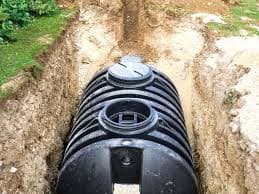
Buying a country property in Canyon Lake, Spring Branch, Fischer, or anywhere off the city water grid means inheriting two systems city buyers never deal with: a private septic system and a private well. Both are buried, both are easy to ignore, and both are expensive to fix. Here's what to know before you close.
Quick Answer: Most rural properties around Canyon Lake and the Hill Country run on a private septic system for wastewater and a private well for drinking water. Before you buy, have a Texas-licensed septic professional evaluate the septic system and a licensed well contractor look at the well equipment. Your home inspection covers the plumbing inside the house, and lab water testing for E. coli and coliform tells you whether the water is safe to drink.
Buying a property in Canyon Lake, Spring Branch, Fischer, or the rural Hill Country usually means you're off city water and sewer. Both systems that replace them are buried, both are easy to overlook during a showing, and both are costly to repair or replace. A little homework during your option period goes a long way.
True South Home Inspection (TREC #24687) inspects homes across Comal, Guadalupe, Hays, and Bexar Counties. Kevin Cearley is a TREC-licensed Professional Inspector and InterNACHI Certified. This guide explains how septic and well systems work, what warning signs to watch for, and who checks which part.
How a Septic System Works
A septic system treats household wastewater on the property instead of sending it to a city sewer. Two types are common around Canyon Lake:
- Conventional systems: wastewater flows into a buried tank, where solids settle. The liquid then moves through a distribution box into a drainfield, where the soil finishes the treatment.
- Aerobic systems: an aerator adds oxygen to break waste down faster, and treated water is usually dispersed through spray heads on the lawn. These systems have electrical parts and alarms that need regular service.
Hill Country lots often have thin soil over limestone, which is one reason many newer homes use aerobic systems.
How a Private Well Works
A private well draws groundwater through a cased hole. A submersible pump pushes water up to a pressure tank, and a pressure switch turns the pump on and off as you use water. The wellhead cap and casing keep surface water and debris out. When any part of that chain fails, you notice it as low pressure, cycling, or water that tastes, smells, or looks off.
Why It Matters on Rural Comal County Properties
Properties in Canyon Lake, Spring Branch, Fischer, the outskirts of Bulverde, and out toward Smithson Valley are often on private septic and private wells. Many of these systems were installed by the original builder years ago, and maintenance records don't always follow the house when it sells.
Aerobic systems in Texas are required to be maintained by a licensed provider. Ask the seller for the current maintenance contract and service records, and ask the county for the septic permit file. A missing contract or permit is worth sorting out before closing, not after.
Warning Signs to Watch For
You can spot a lot during a showing or walkthrough.
Septic
- Soggy ground, standing water, or unusually green grass over the drainfield
- Sewage odors in the yard or near the tank
- Slow drains or gurgling in more than one fixture
- Tank lids buried, broken, or hard to find
- Aerobic spray heads that don't run, or an alarm light that's on
- Trees, decks, or driveways built over the drainfield
Well
- Low or surging water pressure
- A pump that clicks on and off rapidly (short cycling)
- Cloudy, discolored, or bad-smelling water
- A cracked or loose wellhead cap
- A well casing cut off at or below ground level, where surface water can get in
- Scale or staining on fixtures from hard water
None of these signs tells you the whole story on its own, but each is a reason to ask questions and get the right professional out before your option period ends.
What Your Home Inspection Covers
A True South home inspection follows the TREC Standards of Practice. On the plumbing side, that includes water supply and distribution, drain, waste and vent systems, fixtures, faucets, toilets, and water heaters. You'll see how the plumbing inside the house is performing, with a photo-rich report typically delivered within 24 hours.
We also offer water quality testing: laboratory testing for E. coli and coliform. On a property with a private well, that's the first question to answer: is the water safe to drink?
Who to Call for the Rest
The septic system itself and the well equipment are outside a standard home inspection. For those:
- Septic system: hire a Texas-licensed septic professional (an On-Site Sewage Facility installer or maintenance provider). They can locate the tank, check baffles, sludge and scum levels, the distribution box and drainfield, and the aerator, spray heads and alarm on aerobic systems. A thorough evaluation usually means pumping the tank first, so book early.
- Well equipment: hire a licensed water well contractor or pump installer to look at the pump, pressure tank, pressure switch, casing and wellhead, and to check recovery if the well seems weak.
- Expanded water panels: if you want testing beyond E. coli and coliform (hardness, iron, nitrates, sulfates, arsenic), ask a certified water lab what panel fits Hill Country groundwater.
Ask each professional for written findings. That makes the conversation with the seller and your lender much easier.
When to Schedule Everything
Book your home inspection, water quality testing, and the septic and well evaluations in the same window, ideally in the first couple of days of your option period. Septic evaluations often need a pumping appointment, which can add a day or two.
If you're buying during a dry summer, keep in mind the septic system may have seen light use, and drainfield stress can be harder to spot.
Service Area for Rural Properties
We inspect homes across:
- Canyon Lake (every cove, including Cranes Mill, Hancock, Sattler)
- Spring Branch and Bulverde Estates
- Fischer and Wimberley
- Smithson Valley and Sattler
- Comal County rural addresses
- Guadalupe County rural addresses
- Hays County south of Wimberley
- Northern Bexar County rural properties
- Boerne, Fair Oaks Ranch outskirts
Outside this footprint? Call 737-414-2364 to confirm coverage.
Frequently Asked Questions
Does a home inspection include the septic system? No. A TREC home inspection covers the plumbing inside the house. The septic tank, drainfield, and aerobic equipment should be evaluated by a Texas-licensed septic professional.
Is well water safe to drink in the Hill Country? It depends. Many Hill Country wells produce good water, and others have bacterial contamination, hard water, or high minerals. Testing is the only way to know. True South offers lab testing for E. coli and coliform.
Do I have to pump the septic tank for the evaluation? Usually, yes. Without pumping, the septic professional can't see the baffles, measure sludge and scum accurately, or check the tank walls and floor.
Does an aerobic system need a maintenance contract? Yes. Aerobic systems in Texas must be maintained by a licensed provider. Ask the seller for the current contract and service records before closing.
What if the septic system has problems? You have options: negotiate a repair credit, ask the seller to repair before closing, or walk away within your option period. Get the septic professional's findings in writing.
What should I test well water for? Start with E. coli and coliform, which True South's water quality testing covers. For hardness, iron, nitrates, sulfates, or arsenic, ask a certified water lab about an expanded panel.
Related Reading
- Home Inspection in New Braunfels: What Buyers and Agents Need to Know
- What a TREC Home Inspection Covers: A Plain-Language Guide
- Texas Hill Country Foundation Problems
- HVAC Inspection Guide for Central Texas Homes
- New Construction Phase Inspections in Comal County
Schedule Your Home Inspection
Buying a country property in Canyon Lake, Spring Branch, or anywhere off the city grid? Book your home inspection and water quality testing with True South, and line up a licensed septic professional and well contractor for the buried systems. Call Kevin Cearley at 737-414-2364, email tshi@truesouthinspect.com, or book online. Reports delivered digitally within 24 hours. Serving Canyon Lake, Spring Branch, New Braunfels, Wimberley, Bulverde, and the Texas Hill Country.
